Event Overview
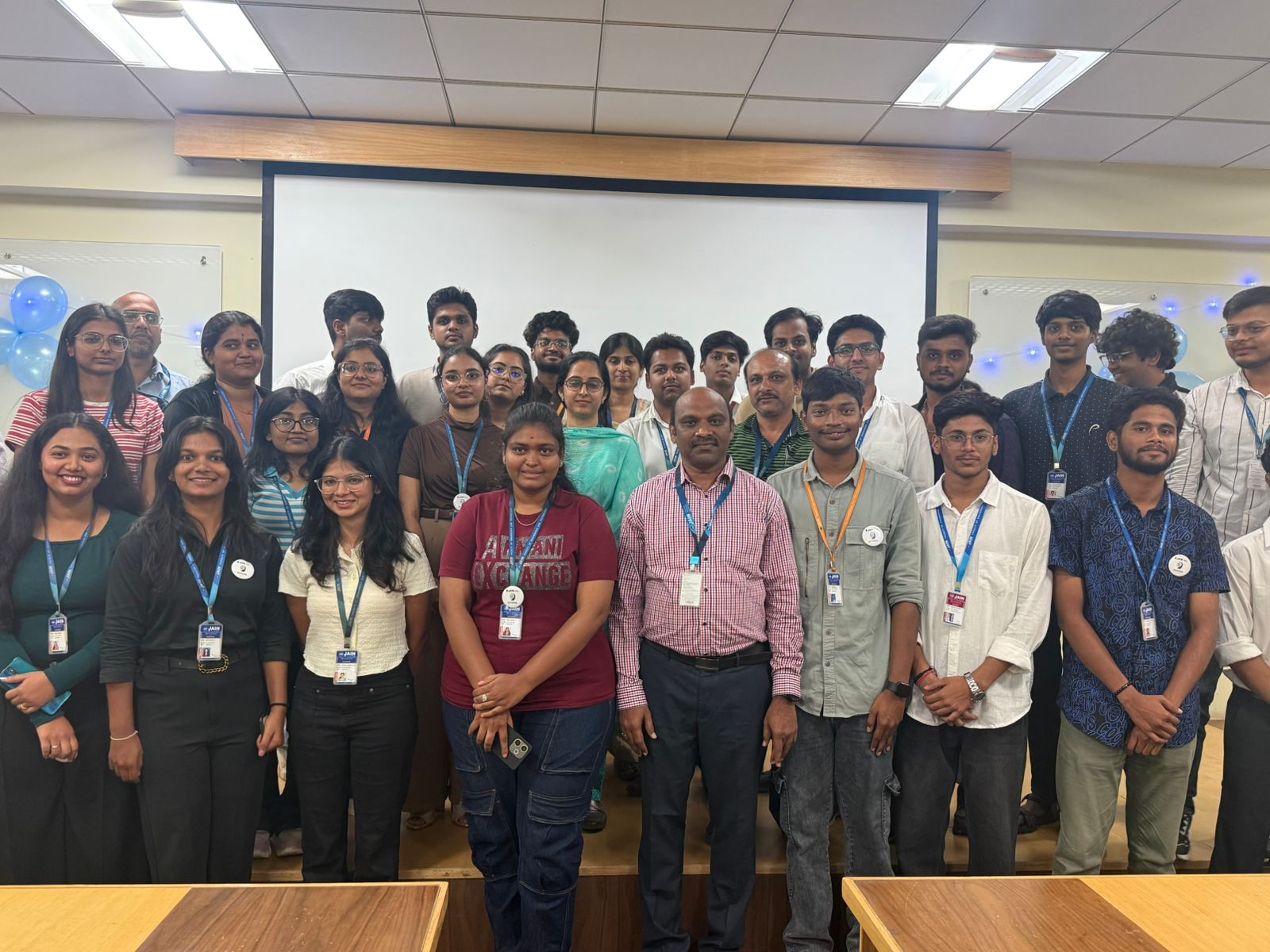
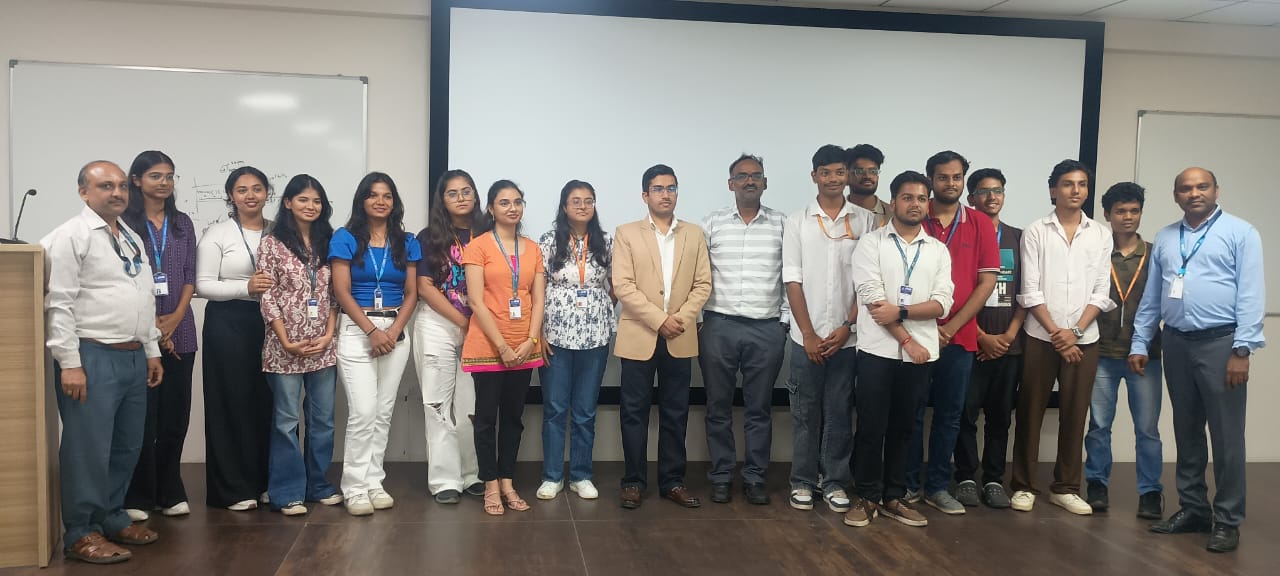
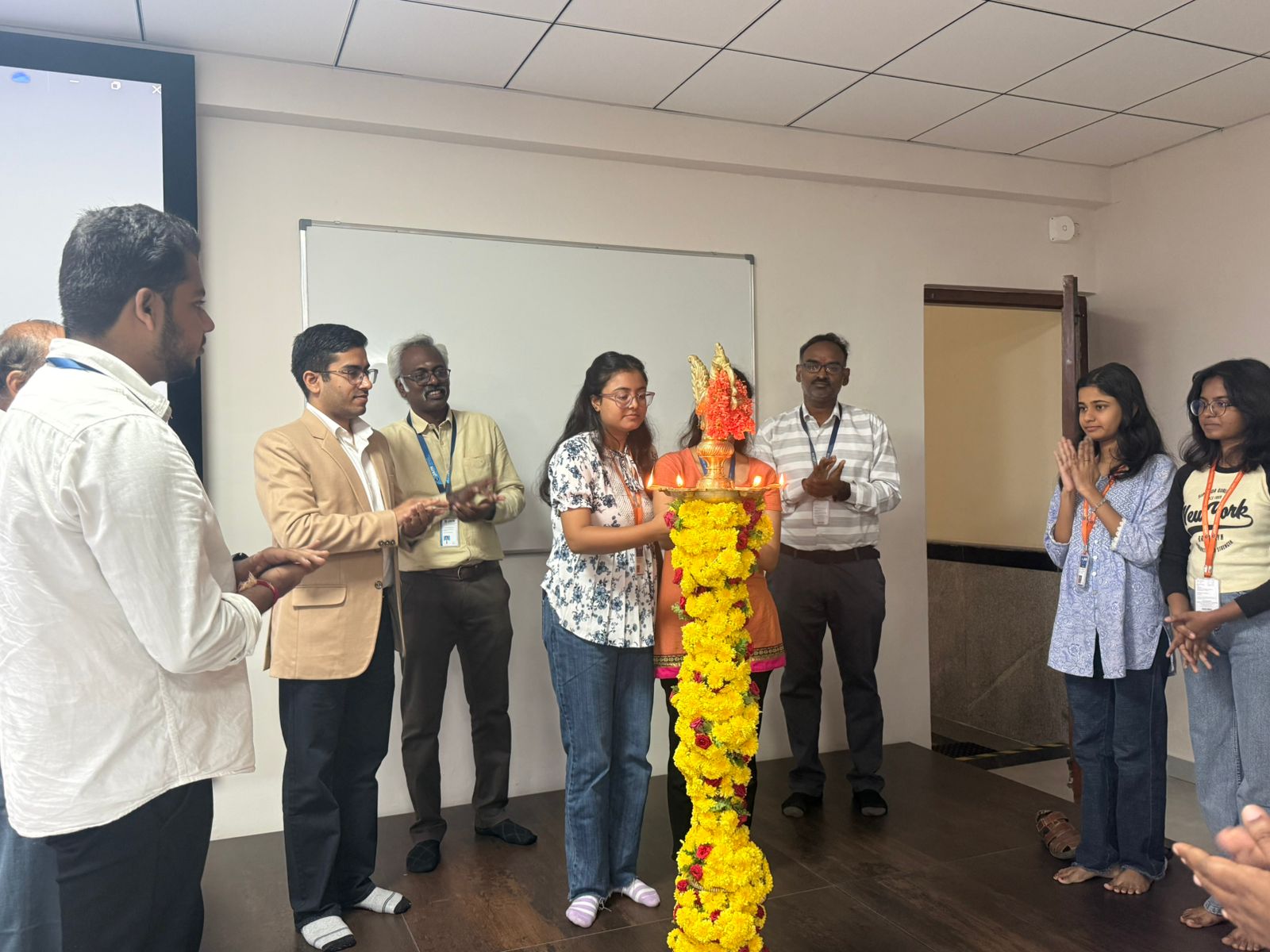
The Department of Information Science & Engineering at Jain (Deemed-to-be University) successfully organized a transformative one-day workshop titled "Building LLM from Scratch" on October 27th, 2025. This comprehensive workshop was designed to provide students with an in-depth understanding of Large Language Models (LLMs), which have become a cornerstone of modern artificial intelligence applications.
The workshop attracted enthusiastic participation from students across various programs, including B.Tech, M.Tech, and MCA, all eager to understand the mechanics behind revolutionary AI systems like ChatGPT, GPT-4, and other state-of-the-art language models that are transforming industries worldwide.
The event embodied the spirit of Infosphere Club's mission: "Explore the power of AI. Build your own LLM in a day. Turn curiosity into creation!" — empowering students to move beyond theoretical knowledge and gain hands-on experience in building cutting-edge AI systems.
About the Technical Expert: Netan Mangal
The workshop was led by Netan Mangal, a distinguished AI researcher and practitioner with extensive expertise in Natural Language Processing, Machine Learning, and Deep Learning. Netan is known for his ability to break down complex technical concepts into understandable components, making advanced AI accessible to students at all levels.
With a strong background in building and deploying production-grade ML systems, Netan brought real-world insights into the classroom, sharing not just the theory behind LLMs but also practical considerations for building, training, and deploying these models. His experience with transformer architectures, attention mechanisms, and modern training techniques provided invaluable guidance to the participants.
Throughout the session, Netan emphasized the importance of understanding foundational concepts rather than just using APIs, encouraging students to think critically about how these systems work under the hood.
Workshop Highlights
The workshop covered a comprehensive curriculum designed to take participants from fundamentals to implementation:
- Introduction to Language Models: Understanding the evolution from rule-based systems to neural language models
- Deep Dive into Transformers: Exploring the revolutionary architecture that powers modern LLMs, including self-attention mechanisms
- Machine Learning & Deep Learning Fundamentals: Essential concepts including neural networks, backpropagation, and optimization techniques
- Building from Scratch: Step-by-step guidance on implementing key components of an LLM
- Understanding ChatGPT: How LLMs like ChatGPT are shaping modern industries, from customer service to content creation
- Hands-on Coding Session: Participants wrote code to build their own mini language model
- Best Practices & Industry Insights: Tips for scaling, fine-tuning, and deploying LLMs in real-world applications
Key Learnings
Participants walked away with a solid understanding of:
- The architecture and training process of Large Language Models
- How attention mechanisms allow models to understand context
- Tokenization, embedding, and the preprocessing pipeline
- Training strategies including supervised learning and fine-tuning
- Practical applications of LLMs across various domains
- Ethical considerations and limitations of current AI systems
Event Gallery
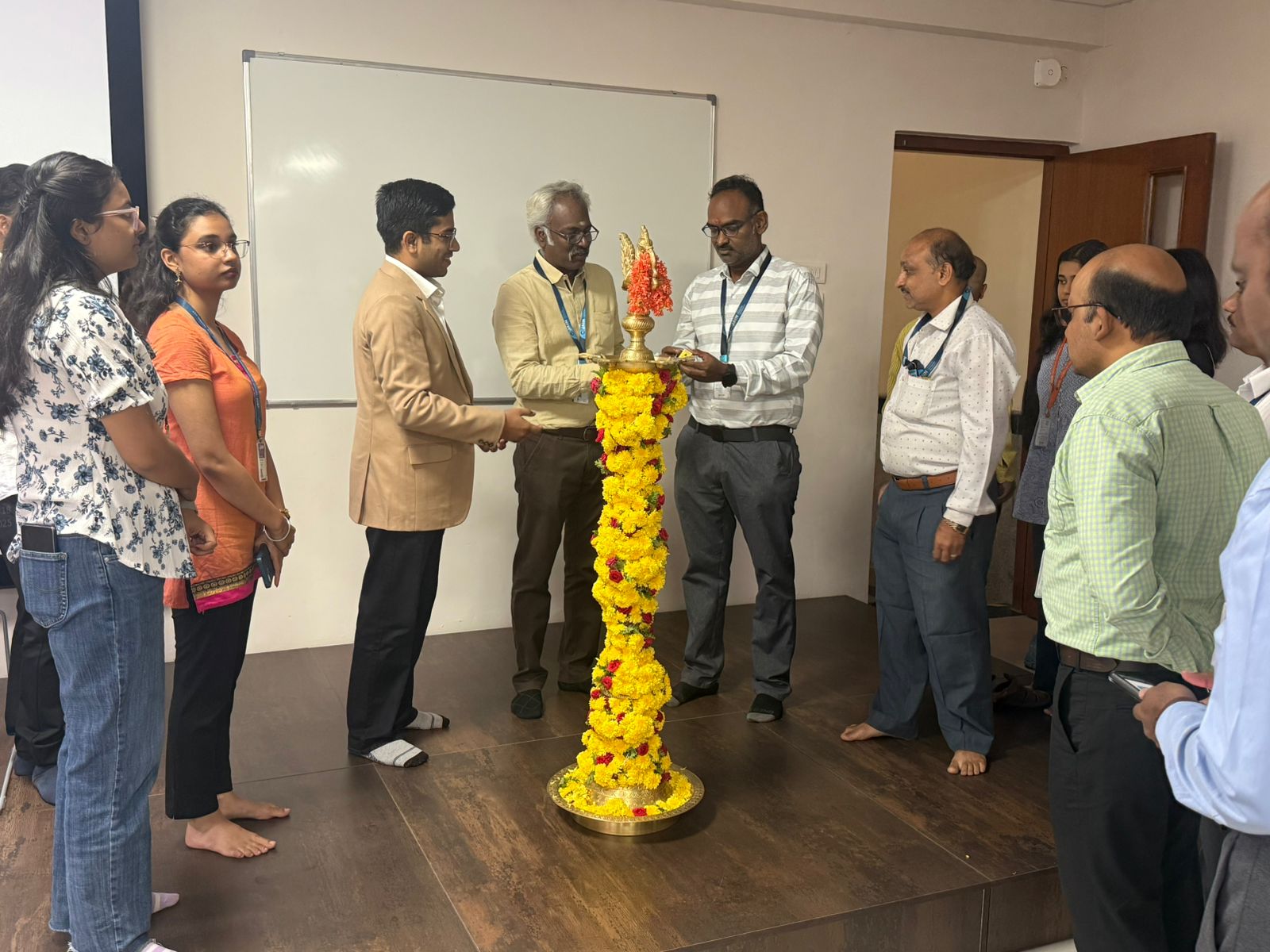
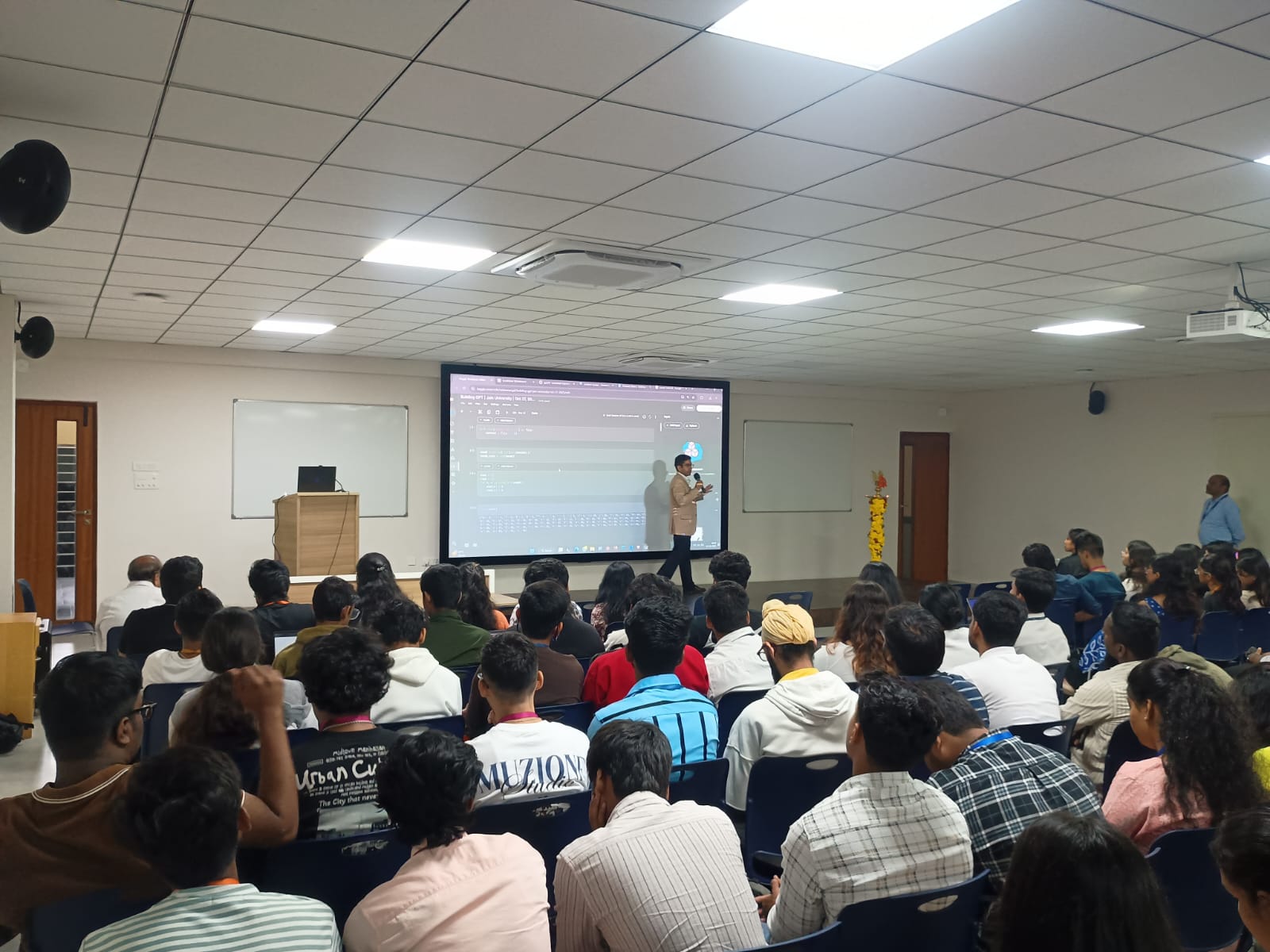
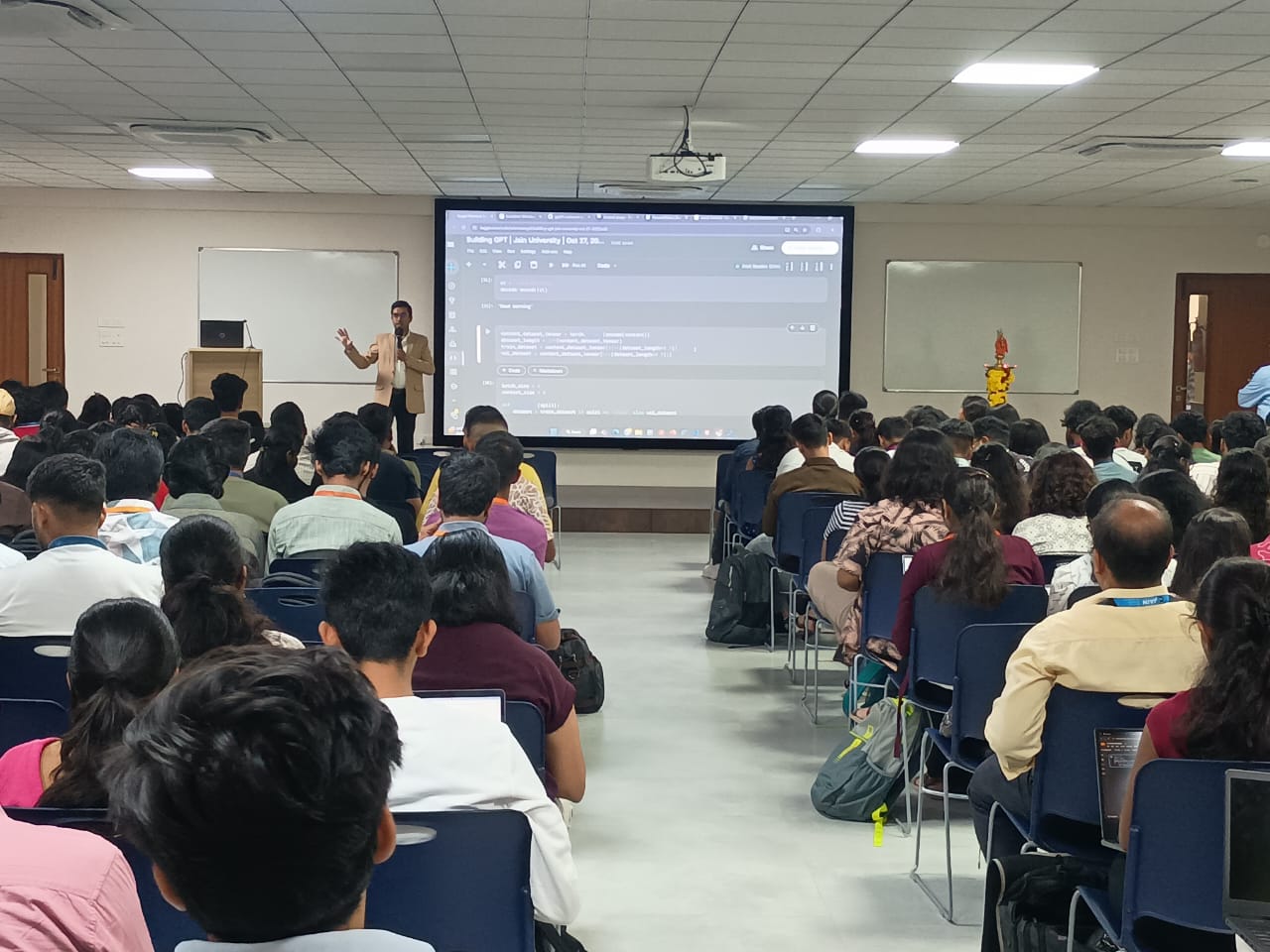
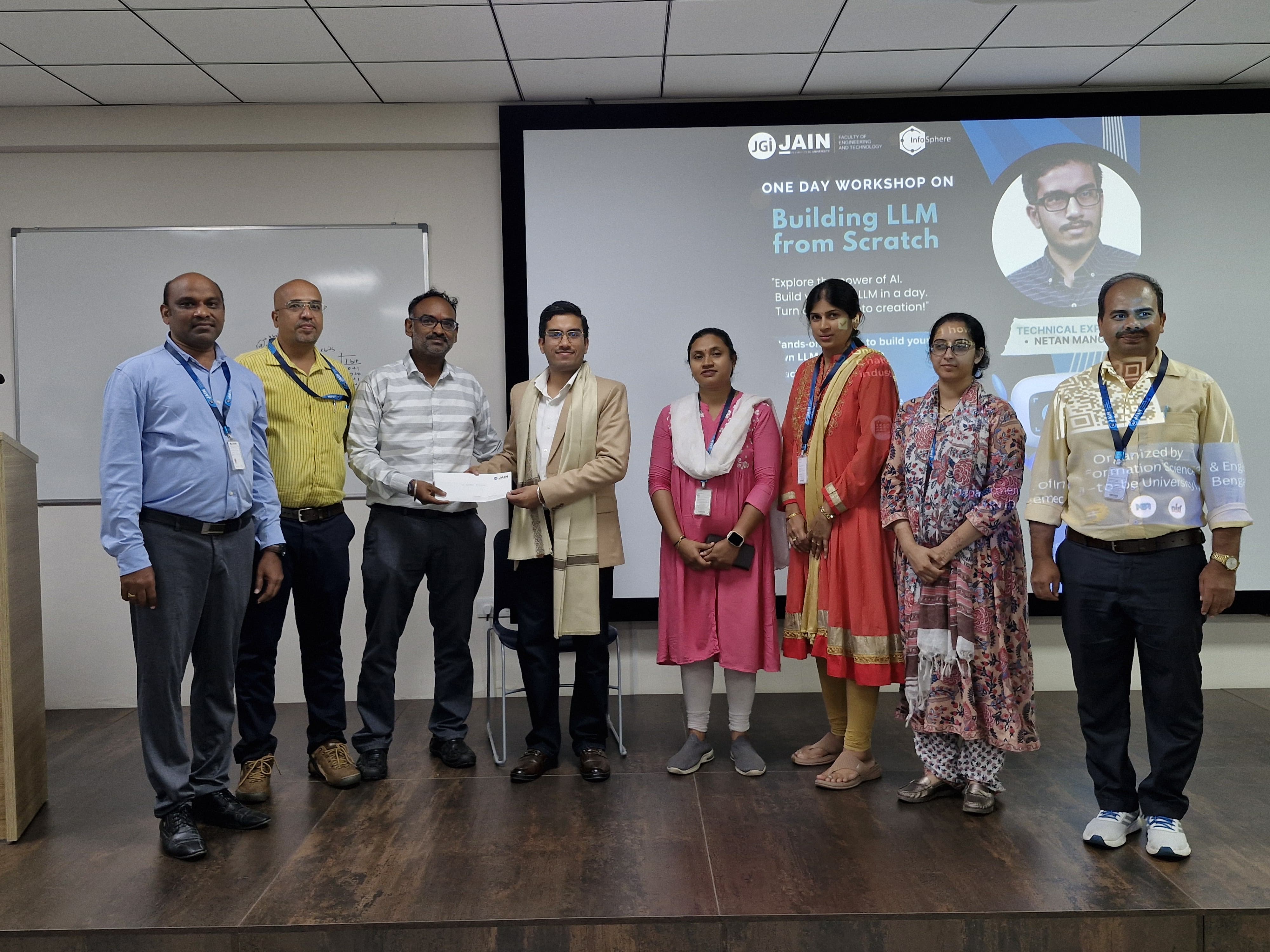
Impact & Feedback
The workshop received overwhelmingly positive feedback from participants, with many expressing appreciation for the hands-on approach and the clarity with which complex concepts were explained. Students reported feeling more confident about exploring AI and machine learning in their future projects and career pursuits.
Several students noted that this was their first experience building a language model from the ground up, and they found it incredibly rewarding to see their code generate meaningful text outputs by the end of the session.
Conclusion
The "Building LLM from Scratch" workshop exemplified Infosphere Club's commitment to providing students with cutting-edge technical knowledge and practical skills. By bridging the gap between academic concepts and industry applications, events like this prepare students to become the innovators and leaders of tomorrow's AI-driven world.
We extend our heartfelt thanks to Netan Mangal for his exceptional guidance, to the Department of Information Science & Engineering for their support, and to all the enthusiastic participants who made this event a resounding success.